

The Android ecosystem hosts a extensive and fast-growing collection of casino applications. These platforms have evolved past simple browser shortcuts, application android DudeSpin, evolving into sophisticated native experiences that leverage device hardware for more fluid gameplay, more vivid graphics, and robust security. Grasping the architecture behind these apps explains why a dedicated download often outperforms a mobile website, especially when real money and live dealer streams are present.
For years, gamblers visited casinos through adaptive websites designed for Chrome. While practical, browser-based play brings latency, inconsistent frame rates, and dependence on fluctuating internet caches. A native Android app, placed directly on the device, caches critical graphical assets and establishes a stable secure socket layer. The outcome is a responsive interface where button presses feel instant and slot reels spin without micro-stutters, creating a distinct competitive advantage for the operator.
Protection on a native app outperforms browser-based SSL because the connection path can be pinned to specific certificates, greatly minimizing man-in-the-middle attack vectors. Sophisticated apps include biometric authentication, permitting fingerprint or face unlock to approve transactions instantly. The sandboxed nature of Android isolates the app’s cache from other processes, preventing cross-app data leakage. Encrypted local databases keep session tokens, making sure that sensitive financial data never persists in plain text on the device’s shared storage.
Premium Android casino apps are built using lightweight frameworks that prioritize rendering efficiency. Developers often leverage native C++ libraries for intricate mathematical operations, ensuring Random Number Generator calculations never bottleneck the UI thread. This separation of logic and presentation ensures animations seamless, even on budget devices. Furthermore, asset compression techniques minimize the initial APK size without sacrificing texture quality, permitting high-definition table games to function smoothly on screens with varying pixel densities.
Downloading the native application often provides access to functionality absent from the mobile site. Push notifications, when opted in, send time-sensitive tournament alerts and personalized bonus drops directly to the lock screen. The app can leverage the device’s haptic engine to replicate the physical recoil of a slot lever or the subtle click of a chip stack, intensifying sensory immersion. Background audio playback is also managed more gracefully, permitting players to listen to external media while game sound effects still trigger on critical events.
Moreover, local processing enables unique side-bet animations and complex game logic that would be too heavy to stream live in a browser. The integration with device hardware allows for augmented reality lobby previews on select flagship devices, casting a 3D roulette wheel onto a flat surface. These exclusive capabilities transform the app from a mere utility into a premium product that benefits the user for completing the installation step.
The direct APK distribution model fulfills a functional purpose outside of policy compliance. It allows operators to keep a single, unified codebase for a global audience without fragmenting the experience across multiple regional Play Store listings. By placing the file on a local domain like the one delivering this content, the operator can implement geo-aware download gates. This ensures a player in a permitted jurisdiction receives the correct server cluster configuration integrated within the app, improving latency to the live dealer studios without manual server selection.
This method also simplifies the update lifecycle. Instead of awaiting Google’s review queue, critical security patches or new game integrations can be pushed instantly. The app reviews a remote manifest on launch, triggering an in-app overlay download if a delta patch is present. This agility maintains the platform secure and fresh, guaranteeing that the version active on the device is never more than hours behind the developer’s latest stable build.
Casino app interface design has left behind cramped, zoom-dependent layouts in favor of ergonomic touch zones. Essential controls like spin controls, action commands, and wager sliders are grouped within the lower section of the screen, mapping to the natural arc of a user’s thumb. Slide-out menus slide out from the left edge, granting entry to the cashier and game lobby without needing a grip shift. This user-friendly approach lessens tiredness during extended sessions and minimizes accidental mis-taps that could ruin a important live round.
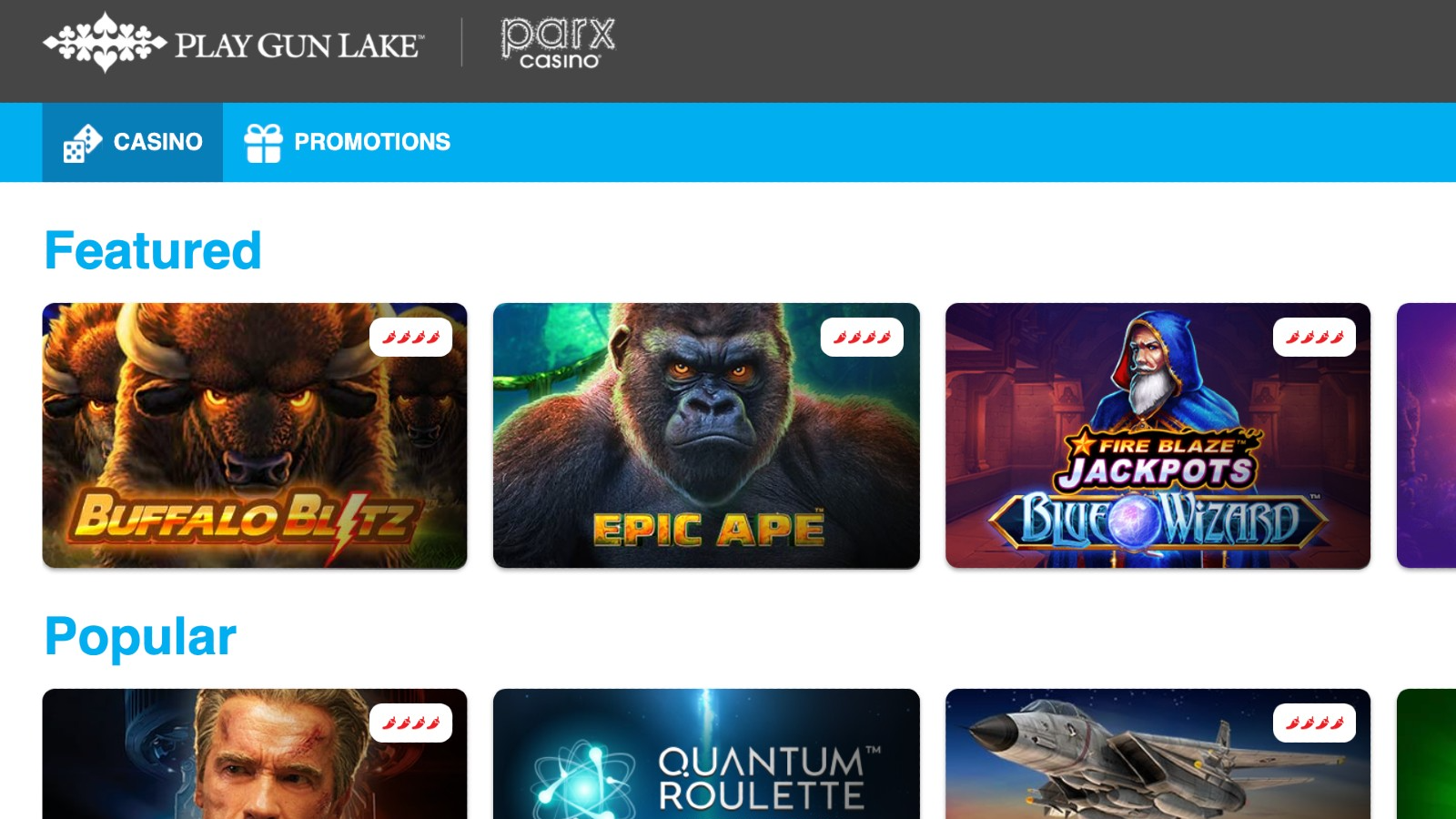
Contrast levels and type design are adjusted for outdoor visibility. Dark theme is commonplace, minimizing reflections on modern screens while conserving battery life. Iconography replaces verbose text where possible, building a global icon system that works across languages. The movement effects between lobby categories are choreographed to provide a awareness of position, turning the large collection of slots and table games seem easy to browse rather than intimidating.
A refined Android casino app serves as a responsible steward of system resources. Over time, high-resolution game thumbnails and session logs build up in the cache partition. Progressive operators create internal housekeeping tools that remove stale assets automatically when storage dips below a threshold, or they present a manual “Clear Cache” button within the settings panel. Unlike a browser, which can grow bloated with cookies across hundreds of sites, the isolated app environment holds the data footprint predictable and contained.

Battery optimization is equally critical. Efficient apps connect to Android’s Doze mode correctly, suspending non-essential network polling when the device is idle. During active play, the rendering engine targets a capped frame rate of 30fps for table games and 60fps for slots, stopping the GPU from rendering frames the human eye cannot perceive while the display refreshes, thus saving thermal headroom and avoiding throttling during long poker tournaments.
Not all Android devices deliver the same experience. A well-designed casino app stays inclusive by accommodating a wide range of API levels, often providing backward compatibility to Android 8.0 (Oreo) without affecting security patches. The most challenging features are live dealer high-definition streams, which demand a stable GPU and at least 3GB of RAM for seamless decoding. Operators typically provide a lightweight mode that dynamically reduces visual effects, ensuring smooth navigation on entry-level smartphones with constrained processing power.
A reliable Android app embeds responsible gaming controls straight into the native layer, rendering them more responsive than web-based pop-ups. Reality check timers that secure the screen after a set interval utilize precise system clock calls that are not manipulated by browser extensions. Deposit limit logic is managed server-side but displayed in a native dashboard that changes in real time. The self-exclusion mechanism can activate a local token deletion, instantly wiping session data and rendering the app inert until the exclusion period ends, delivering a tangible barrier that a website URL does not offer.
These features are not buried in fine print; they reside one tap away in the main navigation hub. The impartial presentation of session history, net spend, and time elapsed is shown in neutral, non-judgmental graphs. By incorporating these tools at the OS level, the app converts the smartphone into lefigaro.fr a guardian rather than just a gateway, harmonizing the operator’s interests with the long-term well-being of the user base.
Due to Google Play Store policies prohibiting real-money gambling apps in many regions, the distribution method often requires a direct APK download. Users must proceed to the official operator portal, such as the domain associated with DudeSpin Casino, to acquire the verified installer. This process necessitates temporarily enabling “Install from Unknown Sources” in the device settings. A legitimate operator will provide cryptographic checksums, allowing technically inclined users to validate the APK signature matches the developer’s public key before initiation.
The installation wizard is crafted to be minimalistic. Once the APK is selected, the package installer parses the manifest and requests granular permissions. A transparent app will only request for access to storage for caching game assets and internet access for gameplay, bypassing intrusive requests for contact lists or SMS logs. After the progress bar finishes, the icon emerges in the app drawer, ready to launch without requiring a reboot, setting up a permanent, frictionless gateway to the gaming lobby.
The next hardware generation calls for adaptive layouts. Android casino apps have started to implement responsive multi-window support for foldable devices, where a single screen can present the game on one half and the chat or statistics on the other. This needs a dynamic UI controller that detects fold state changes and reorganizes the layout without restarting the game session. Similarly, AI-driven personalization engines are transitioning to on-device inference, leveraging the phone’s neural processing unit to recommend games based on local behavioral patterns without sending raw data to the cloud.
These innovations indicate a future in which the app is not just a viewer for remote streams but an intelligent gaming companion. The convergence of 5G edge computing and native Android capabilities will soon permit real-time player analytics to adjust the interface complexity on the fly. A novice may see simplified bet sliders, while a veteran observes advanced statistical overlays, all rendered locally by the same APK, ensuring the DudeSpin Casino experience remains cutting-edge regardless of the hardware generation.

